Parents often ask me a version of the same question right after I finish a pediatric dental exam: Is fluoride safe for my child, and does my child really need it? They have heard snippets online, a story from a neighbor, or a headline that raises doubt. I understand the hesitation. Part of my job as a pediatric dentist is to translate the science into clear, everyday language and to balance that science with what actually happens in a pediatric dental office and at home. Fluoride isn’t a cure-all, but used correctly, it is one of the simplest and most reliable tools we have to prevent cavities in children.
What fluoride actually does inside a child’s mouth
Think about kids’ teeth as structures constantly under construction. Every day, acids from bacteria soften enamel by pulling out minerals. Saliva repairs some of that damage by returning minerals to the surface. Fluoride supports both sides of this cycle. It makes the enamel more resistant to the acids that cause decay, and it encourages the enamel to rebuild with tighter, stronger crystals. The result is enamel that is more durable and less likely to form a cavity. This process, called remineralization, happens on a microscopic level across every tooth surface, especially the grooves that are hard for small hands to clean.
For children with emerging teeth, fluoride has a second benefit. When permanent teeth are developing beneath the gums, adequate fluoride exposure strengthens them before they even erupt. That head start matters when those first permanent molars arrive, because those molars are workhorses and cavity magnets.
Why some kids benefit more than others
In pediatric dentistry, prevention has to match each child’s risk. A child who snacks frequently, uses a sippy cup of juice throughout the day, or has special needs that complicate brushing is not in the same category as a teen with precise oral hygiene and balanced meals. I have cared for toddlers who developed cavities before their second birthday despite daily brushing. In contrast, I have middle schoolers with zero cavities who have been steady with fluoride toothpaste and routine pediatric dental cleaning visits.
Fluoride treatment shines in higher risk situations. It slows or arrests the early chalky white spots that signal the beginning of decay. In orthodontic patients with brackets and wires, topical fluoride helps prevent those telltale square outlines around where brackets sat. For teens with dry mouth from medications, fluoride compensates for the loss of the mouth’s natural buffering system. When I screen a child during a pediatric dental checkup, I weigh these factors to decide how often to offer professional fluoride varnish and how strong a home product to recommend.
Professional fluoride treatments, demystified
In a pediatric dental office, professional fluoride typically comes in varnish form, sometimes gel or foam. Varnish adheres to saliva-wet teeth, which is perfect for kids who don’t sit still with their mouths open. The appointment flow is straightforward. After a pediatric teeth cleaning, we dry the teeth with gauze, paint on a thin layer of varnish with a little brush, and ask the child to smile for a few seconds while it sets. The entire step takes about a minute. The varnish hardens on contact with saliva, so kids can close their mouths immediately.
Most children should avoid brushing for the rest of the day and skip sticky foods for a few hours so the varnish stays put and releases fluoride slowly. The taste is mild and the amount of fluoride is small, which limits swallowing and side effects. For families who worry about the material getting on lips or cheeks, I demonstrate how it feels and looks. It can leave a temporary matte or slightly yellow tint on the teeth, which disappears with brushing the next morning.
In terms of frequency, a typical prevention plan uses fluoride varnish every 3 to 6 months, coordinated with routine pediatric dental visits. For very high risk kids, such as those with active decay, we sometimes add interim visits just for varnish. For lower risk kids who still benefit from professional support, twice per year is often enough.
How this compares to home fluoride products
In home care, fluoride toothpaste is the daily workhorse. Strength, amount, and supervision are the variables that matter. For infants and toddlers, a smear the size of a grain of rice gives protection without excessive swallowing. Once a child can spit, a pea-sized amount becomes appropriate. That small dose is deliberate. Children taste the flavor and like to gulp, so portion control keeps the dose safe.
Mouthrinses with fluoride have a place for certain ages, especially school-aged children and teens who can reliably swish and spit. I do not recommend rinses for toddlers or preschoolers. Prescription fluoride gels or pastes are stronger options for older kids with ongoing risk, such as those with a history of multiple cavities or orthodontic appliances. These are managed case by case, with instructions tailored to the family’s daily routine so they do not become forgotten tubes in the bathroom drawer.
Addressing the safety questions head-on
Safety is the crux of most conversations about fluoride. The difference between helpful and harmful lies in dose and delivery. Topical fluoride in the right amount sits on the teeth and gets expectorated or wiped away. The transient fluoride that is swallowed from a varnish or a pea-sized amount of toothpaste is far below harmful levels. The most common unwanted effect of chronic excess in young children is dental fluorosis, which appears as faint white flecking on enamel. This mostly results from swallowing large amounts of toothpaste or taking unnecessary fluoride supplements in early childhood. It is cosmetic, not a health hazard, and mild cases are often only visible to a dentist for kids under bright lights.
In my practice, we avoid unnecessary systemic fluoride tablets unless there is a documented need due to low-fluoride water and a high cavity rate. Local water departments can provide fluoride levels on request, or we can help families find that information. Balanced with appropriate toothpaste amounts and supervised brushing, the risk of fluorosis becomes quite low. If your child hates mint and insists on swallowing fruity paste, we switch to a flavor they tolerate better and re-train the routine using a smaller smear.
What happens during a pediatric dental visit focused on prevention
A pediatric dental checkup is not just a cleaning. It is a risk assessment and a coaching session. We review diet patterns, brushing techniques, and family habits. We look for early signs of decay, not just holes. If the child is due for pediatric dental x rays, we use focused, low-dose images to check the spaces between teeth and around the molars where cavities hide. Based on what we see and hear, we may recommend sealants for deep grooves, fluoride varnish that day, or changes at home such as swapping juice for water in the afternoon.
Kids with sensory sensitivities or anxiety get additional consideration. A gentle pediatric dentist adjusts the approach: quieter tools, shorter intervals, or a practice visit to try the toothbrush and mirror without pressure. Some children with autism or complex medical needs do best with frequent short visits to build trust. Fluoride varnish is helpful here because it is quick, painless, and easy to apply in stages. If a child has a strong gag reflex or oral defensiveness, we keep the head position neutral and use a small amount of varnish at a time. Patience counts more than products.
Fluoride and the bigger prevention picture
Fluoride isn’t a standalone fix. It works best as part of a larger prevention plan that includes diet, mechanical cleaning, sealants when indicated, and consistent follow-up. Children who graze on crackers and dried fruit all afternoon feed the bacteria that produce acid. In that scenario, fluoride can only do so much. I often suggest clustering snacks into two or three set times and offering water between. For families managing busy schedules, placing a fluoride toothpaste and child-sized brush in the kitchen can anchor the after-dinner brushing routine when the bathroom is occupied.
Sealants and fluoride complement each other. Sealants act like raincoats over the deep grooves on permanent molars. Fluoride handles the broader surfaces and the tiny areas a brush leaves behind. In my experience, a child who receives sealants soon after the first molars erupt, maintains a twice-daily fluoride toothpaste habit, and gets varnish two times per year has a dramatically lower chance of needing a pediatric fillings appointment later. When cavities do occur, they are often smaller and easier to treat, which matters for kids who are nervous or need pediatric sedation dentistry for more extensive work.
When we recommend extra fluoride protection
There are moments when I push harder for professional fluoride. Newly erupted permanent molars around age 6 and again around 12 are prime times, because fresh enamel is less mineralized and more porous. Orthodontic treatment is another. The brackets create sheltered zones where plaque lingers. Teens heading into a sports season with a mouthguard benefit as well, since mouthguards can trap plaque around the gumline.
Children with dry mouth from asthma inhalers or other medications lose saliva’s protective effect and need more frequent varnish. Families undergoing stressful life changes sometimes see routines slip. A few months of increased support with fluoride can bridge the gap and prevent a cascade of pediatric cavity treatment. And for any child with a history of a dental emergency caused by decay, we default to preventive measures that go beyond the minimum, rather than waiting to see if new lesions develop.
What it feels like for a child
If you are a parent of a toddler or a first-time visitor, it helps to know the sensory details. The fluoride varnish brush feels tickly. The taste is slightly sweet or neutral, depending on the brand. Most children tolerate it well, especially if we describe it as “painting vitamins for your teeth.” I show them a little mirror and let them hold the brush handle briefly. For anxious children, small choices calm nerves: pick the flavor, hold the mirror, choose a nickname for the chair. These moments matter as much as the varnish itself for building trust with a children’s dentist.
For babies, I prefer a knee-to-knee position with the parent. We cradle the infant, gently brush, then apply the tiniest amount of varnish while the parent sings or talks. It is over quickly, and the child can nurse or drink water shortly after, with brushing later that evening. The pediatric dentist for infants approach prioritizes speed and comfort, not a perfect paint job.
Cost, coverage, and practicality
Most insurance plans that include pediatric dental services cover professional fluoride treatments at regular intervals. For families paying out of pocket, the fee is usually modest compared to the cost of a single pediatric tooth filling or a crown. Bargain aside, it also saves time away from school and work, because prevention averts multi-visit treatment plans. Families often ask if they need both varnish and a fluoride rinse at home. The answer is personalized: if your child pediatric dentist New York, NY 949pediatricdentistry.com already brushes twice daily with a fluoride toothpaste and receives professional varnish twice a year, a rinse may add little benefit unless risk factors are high.
Common myths I hear, and what the evidence and experience show
- Fluoride is only necessary if a child has cavities. The science says otherwise. It prevents the first cavity and stops early lesions from progressing. Waiting until decay appears is like waiting to install smoke detectors after a fire. Fluoride treatments hurt or taste bad. Varnish goes on gently and quickly, with mild flavors. Discomfort is rare and short-lived. Bottled water is as good as tap water for fluoride. Many bottled waters contain little or no fluoride. If your family relies on bottled water, fluoride from toothpaste and professional varnish becomes more important.
A simple at-home routine that actually works
Morning and night, brush with a soft, age-appropriate brush and the correct toothpaste amount. Angle bristles toward the gumline, sweep small circles, and make sure to clean the chewing surfaces of molars where food packs in. Floss once daily once teeth touch, even if that means only two contacts at first. After brushing at night, spit the extra foam and skip rinsing with water so the fluoride can sit and do its job. Water sips are fine if a child needs them, but big rinses wash away the benefit.
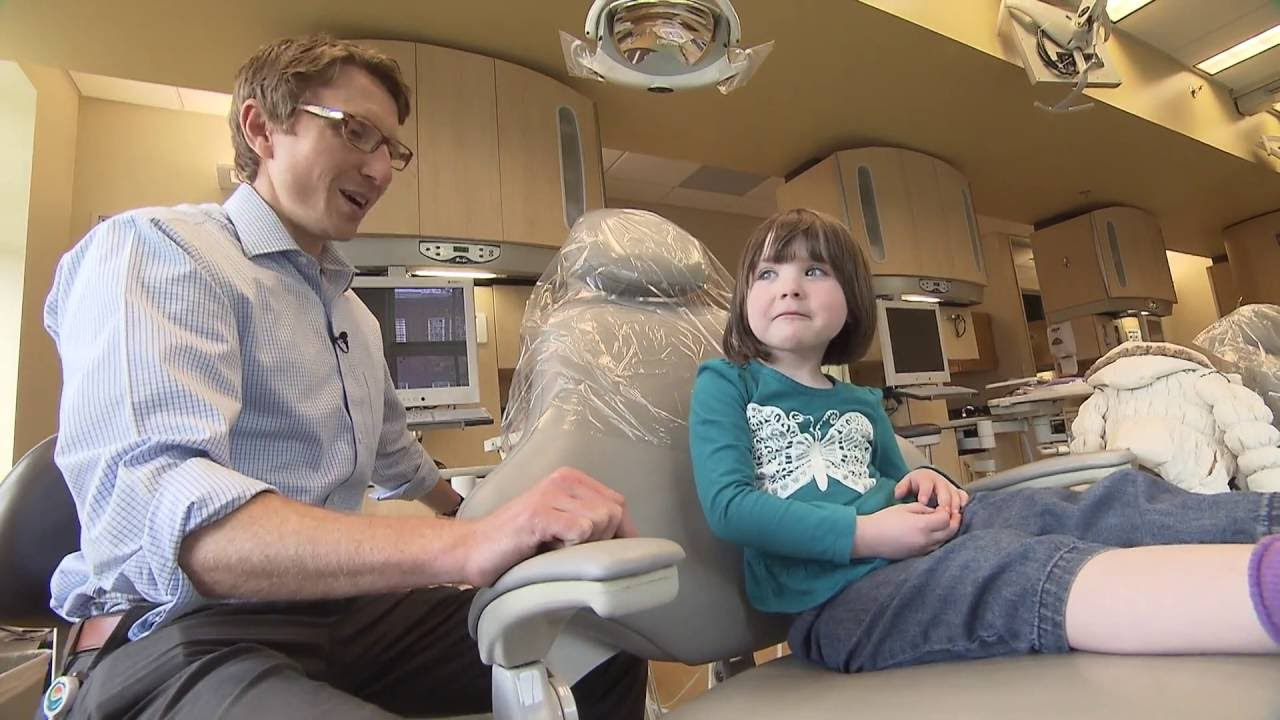

I am not a fan of elaborate charts if they become homework. Instead, attach the routine to anchors that already exist. After the last bedtime story, brush. After breakfast on school days, brush. A child-friendly dentist or hygienist can demonstrate a two-handed technique where the parent stabilizes the chin with one hand and guides the brush with the other, which is useful for toddlers who wiggle.
Special considerations for unique situations
Children with sensory processing challenges or autism sometimes have strong responses to taste, sound, or mouthfeel. Sampling different toothpaste flavors, using unscented gloves, dimming the lights, and introducing tools slowly can change the trajectory of care. For these patients, I often apply fluoride varnish in stages across two short visits. If a child cannot tolerate a standard cleaning yet, starting with varnish still provides a preventive benefit while we work on desensitization.
If a child needs extensive pediatric dental treatment that requires pediatric dental anesthesia or sedation, we intensify fluoride protocols before and after to protect the remaining teeth and any new restorations. Post-operative instructions include gentle brushing around the treatment sites the same day, then a varnish application at the follow-up visit to safeguard enamel that might have been plaque-challenged during recovery.
What happens if prevention falls short
Even with good habits, some kids develop cavities. Anatomy varies, some teeth have extremely deep grooves, and life happens. When I need to place a pediatric tooth filling, we talk about why that spot formed and how to adjust the plan. Fluoride does not eliminate all cavities, but it often limits their size, which means a smaller filling, less drilling, and a faster visit. For multi-surface lesions, or when decay weakens the tooth structure, we may recommend pediatric dental crowns. Here again, fluoride after treatment protects the margins of those restorations and lowers the chance of future problems.
How to choose a pediatric dentist who takes prevention seriously
Experience shows in the way prevention is woven into every pediatric dental appointment. Look for a pediatric dental clinic that measures risk, not just cleans and dismisses. A board certified pediatric dentist or certified pediatric dentist will talk about diet, demonstrate brushing, use child-friendly language, and tailor fluoride recommendations to your child’s needs. If your child is anxious, ask about desensitization visits or tell-show-do approaches. For families seeking a pediatric dentist near me or children dentist near me, reviews can point to practices that value gentle care, but the first visit tells you the most. The office should feel calm and efficient without rushing your child.
A realistic blueprint for the first five years
The first tooth typically arrives around 6 months, give or take. Schedule a pediatric dentist first tooth visit around then or by the first birthday. We will review feeding patterns, discuss wiping or brushing with a small smear of fluoride toothpaste, and apply varnish if risk is present. From ages 1 to 3, the goal is twice-daily brushing with a rice-grain smear and periodic varnish based on risk. Around age 3 to 6, switch to a pea-sized amount when spitting is reliable, add floss where contacts are tight, and continue professional fluoride during routine pediatric dental visits. At the eruption of the first permanent molars, consider sealants and maintain varnish frequency. This steady pattern builds habits that stick and prevents the cycle of frequent pediatric dental emergencies caused by decay.
What I wish every family knew
Fluoride is not about perfection. It is about tilting the odds toward health, day after day. Small, consistent steps beat heroic efforts after problems appear. If your child had a rough stretch, cavities can be a reset moment, not a judgment. We use them to adjust strategy: more frequent varnish, different toothpaste, a snack schedule that respects enamel, sealants at the right time. Prevention belongs to the whole family. When siblings brush together or a parent brushes alongside the child, everyone benefits.
A short checklist to make fluoride work for your child
- Use a rice-sized smear of fluoride toothpaste for toddlers, a pea-sized amount for children who can spit. Skip rinsing with water after nighttime brushing so the fluoride can keep working. Schedule professional fluoride varnish every 3 to 6 months based on your child’s risk. Ask about sealants for newly erupted permanent molars and maintain fluoride alongside them. Keep snacks to set times and offer water between to limit acid attacks.
The practical bottom line
From the chair-side view, fluoride remains one of the simplest, safest, and most cost-effective tools in pediatric oral care. It helps children who struggle with brushing, protects teeth during orthodontic treatment, and gives developing enamel a stronger start. Not every child needs the same schedule or the same products, but every child benefits when fluoride is used thoughtfully as part of a broader plan. If you are unsure what level of fluoride your child should have, bring your questions to your next pediatric dentist consultation. A family pediatric dentist who listens, explains clearly, and adapts to your child’s temperament can map out a plan that fits your household and protects your child’s teeth for the long run.